
The History of Wigs and How Society Perceives Them Today
Wigsy Lab
12/4/20253 min read


Wigs have followed a fascinating path throughout history—from symbols of status and power to modern tools of beauty, identity, and self-confidence. Their role has changed over the centuries, but one thing has remained the same: wigs have always reflected society, its values, and its aesthetic ideals.
From Ancient Civilizations to the Aristocracy
The earliest traces of wigs come from ancient Egypt, where they were a sign of social status, hygiene, and practicality. Nobles and pharaohs wore wigs adorned with gold and precious materials, while ordinary citizens had simpler versions made from wool or plant fibers. In ancient Greece and Rome, wigs became a fashion accessory as well as an expression of wealth—particularly among Roman women, who highly valued light-colored Germanic hair.
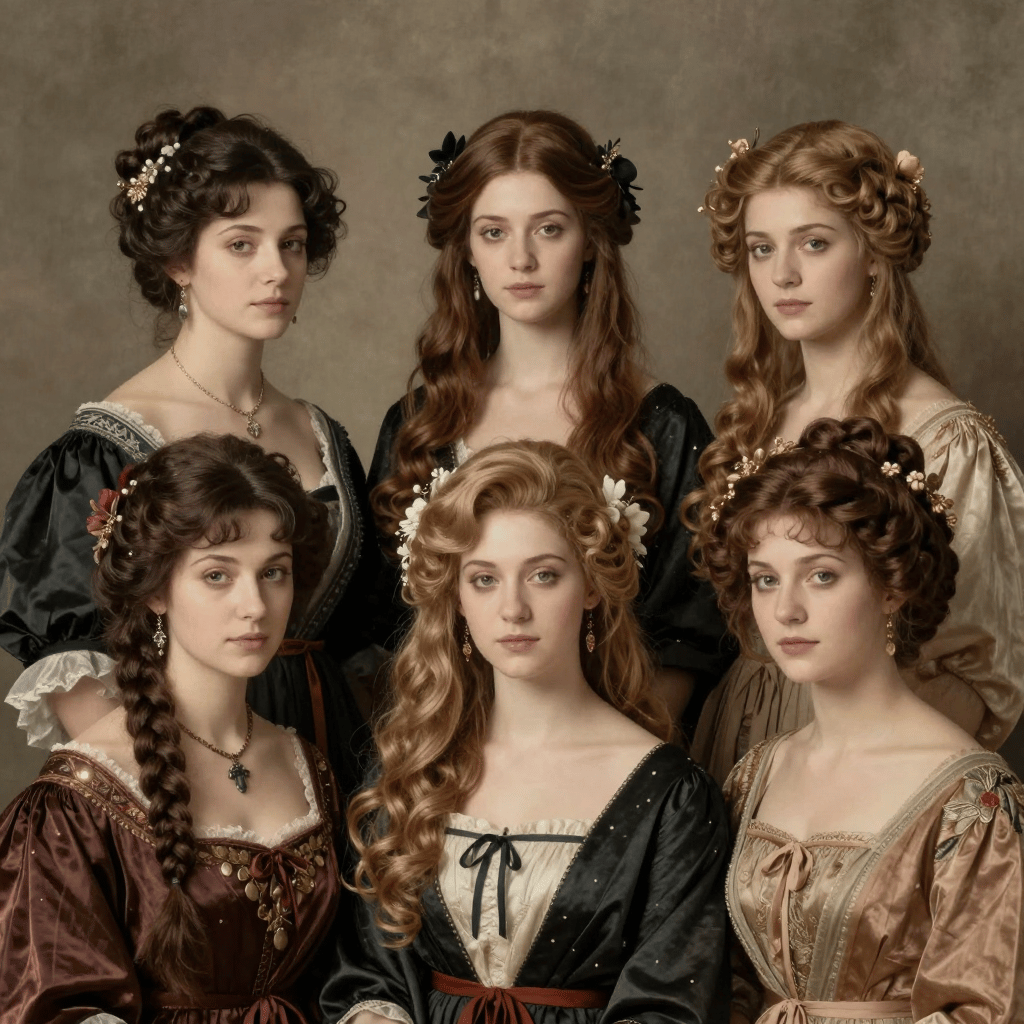
During the Middle Ages, the importance of wigs declined, but the Renaissance brought them back into the focus of aesthetics. The peak of wig popularity came in the 17th and 18th centuries, during the reign of Louis XIV and within the English aristocracy. Large, curly wigs became a symbol of status, and their extravagance spoke as loudly as the splendor of royal courts themselves. Remnants of this tradition have survived to this day in the British legal system, where wigs represent authority and impartiality.
Wigs in Contemporary Society: Between Identity and Aesthetics
During the 1960s and 1970s, wigs and hairpieces became widely used accessories, both in Hollywood and among the broader public eager for a change in appearance.
Today’s relationship with wigs is far more complex and inclusive. They are no longer taboo; on the contrary, they have become a normal and desirable part of everyday styling. Wigs are now worn for a variety of reasons.
Social media, pop culture, and the beauty industry have turned wigs into a trend. They allow for quick and safe changes in appearance without damaging natural hair, which is why they are used by both celebrities and everyday consumers.
Medical Support
For many people facing alopecia, chemotherapy, hormonal changes, or genetic hair thinning, wigs are an important tool of psychological and emotional support. Modern designs offer exceptional comfort and a natural appearance, which further eases the process of adjustment.


Technology That Is Changing Perception
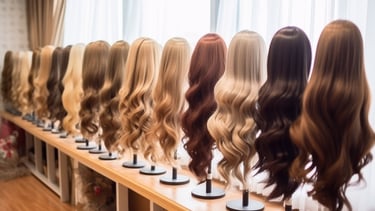
Advanced constructions such as lace front, lace top, and silk top models have completely transformed the way the public perceives wigs. The high level of realism achieved by modern wigs has made the difference between natural hair and a high-quality wig almost indistinguishable. As a result, social acceptance has increased, as wigs are no longer associated with hiding something, but rather with personal grooming and enhancing one’s appearance.

Conclusion:
From the pharaonic courts to the beauty trends of the 21st century, wigs have transformed from symbols of power into tools of freedom. Today, they represent a unique combination of fashion, functionality, and the personal story of each wearer.
Society increasingly accepts wigs as a natural form of self-expression—whether they provide confidence, support individuals through health challenges, or simply enable creativity. It is precisely this versatility that makes wigs an important part of modern beauty culture and personal identity.
© 2026. Wigsy Lab. All rights reserved.
All text and images on this page are the property of Wigsy Lab. Any unauthorized copying, use, or distribution without prior written consent is strictly prohibited, and any infringement will be legally pursued in accordance with the law.