
Types of Materials for Wig Tops
Wigsy Lab
12/5/20253 min read
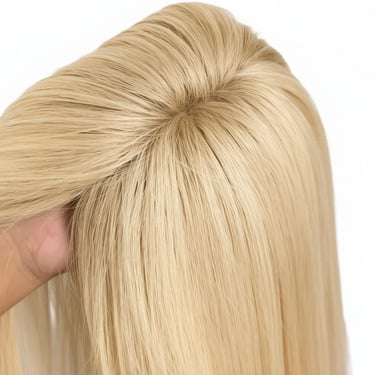
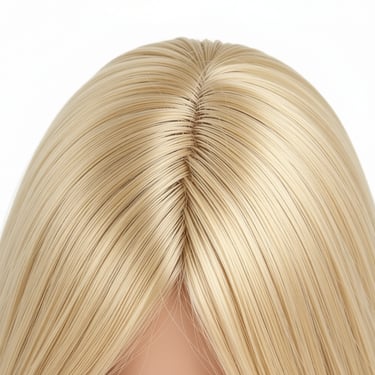
The key element of a wig’s quality and natural appearance is the wig crown – the part that comes into direct contact with the scalp and visually mimics natural hair growth. Understanding the types of crowns is crucial for choosing a wig based on its purpose, comfort, and aesthetic expectations.
TYPES OF WIG CROWNS:
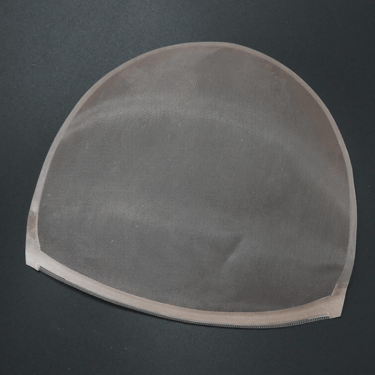
1. Net/Tulle Top
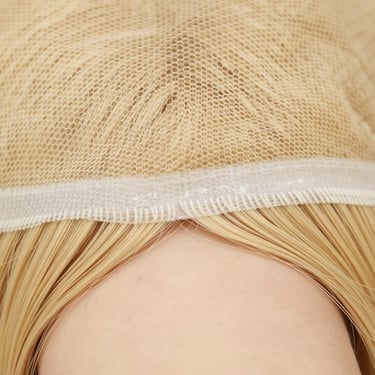
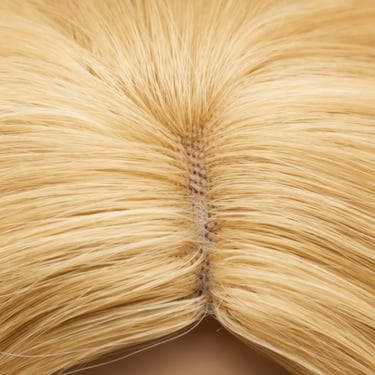
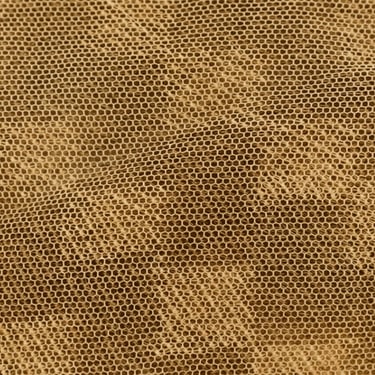
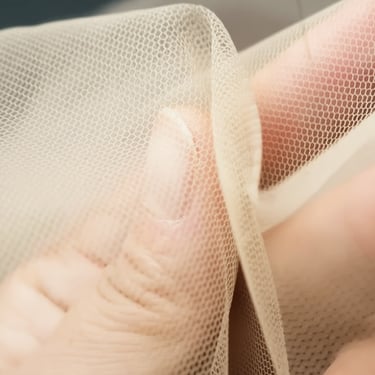
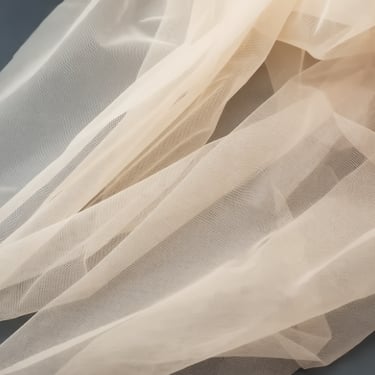
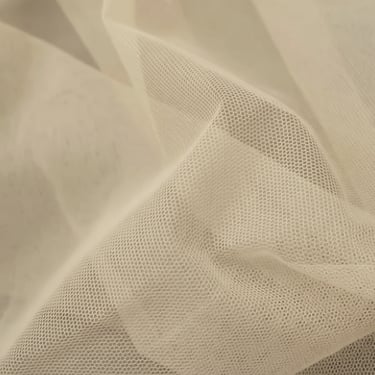
The net or tulle top is made from a thin, transparent mesh on which individual hair strands are either hand-tied or machine-attached. This type of crown gives the appearance of natural hair growth, as the hairs can be arranged in any direction.
Advantages:
natural-looking hair at the crown, especially around parting areas.
lightweight and breathable, increasing comfort for prolonged wear.
Disadvantages:
more delicate and prone to damage or tearing.
requires careful maintenance to prevent tangling or breakage of the mesh.
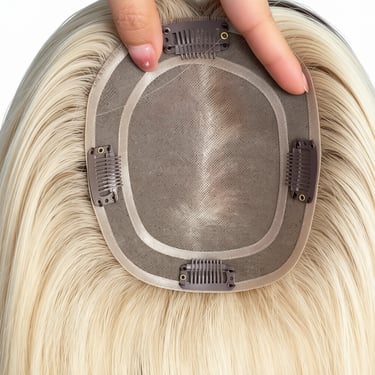
2. Silk Top
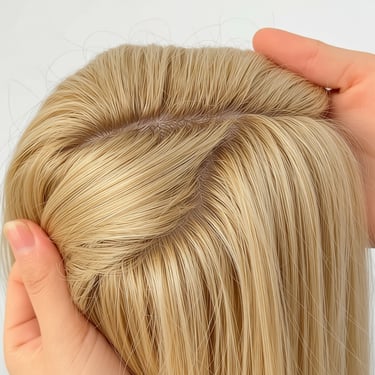
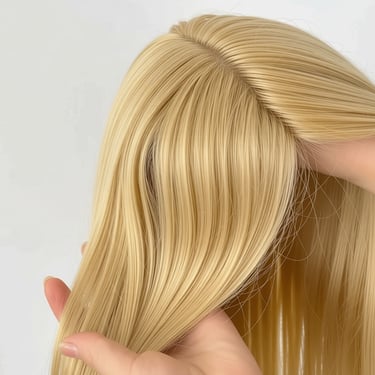
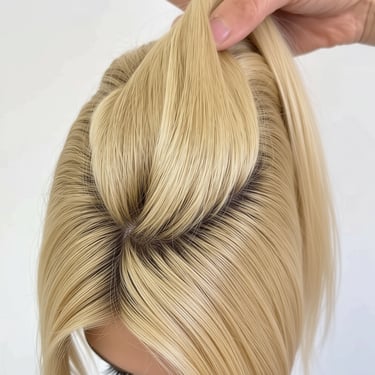
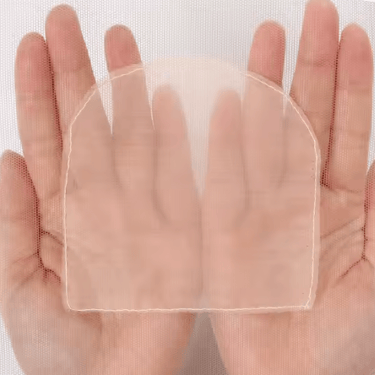
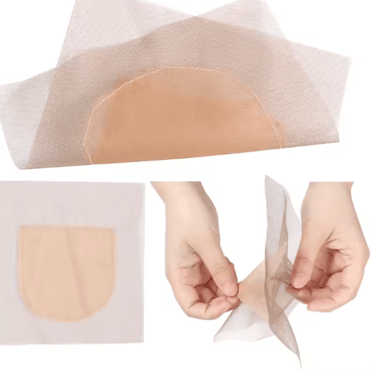
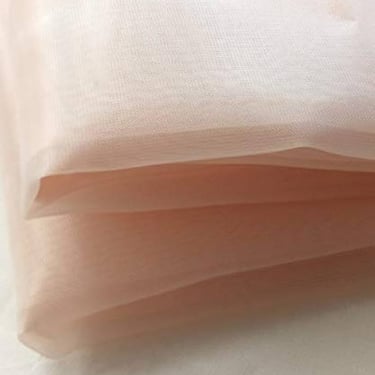
The silk top is considered the most advanced technology in wig construction. Beneath a transparent layer of silk, individual hair strands pass through tiny holes, creating the illusion that the hair is growing directly from the scalp.
Advantages:
extremely natural appearance – almost impossible to distinguish from a real scalp.
unlike lace tops, the knots are completely hidden under the silk layer, resulting in a clean, natural-looking crown with no visible dots.
the silk layer is more resistant to tearing compared to very thin lace mesh, so it wears better over time, especially along the parting.
the crown is denser and opaque, providing better scalp coverage.
Disadvantages:
high price due to the complex manufacturing process.
because it consists of multiple layers (usually 2–3), silk top crowns can be warmer and less breathable than lace or monofilament tops.
after washing, it takes longer to fully dry due to the layered construction.
3. Monofilament Top
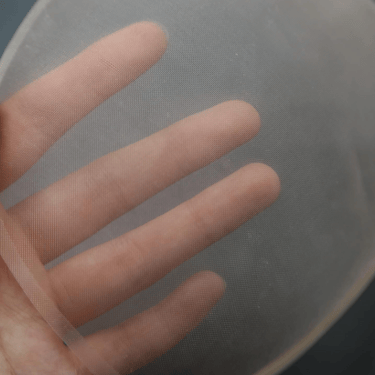
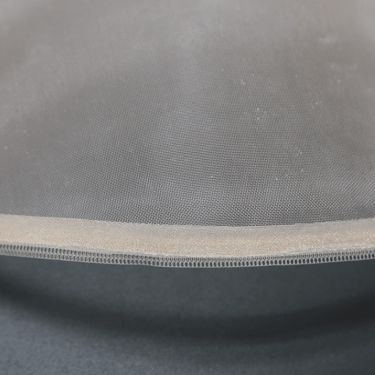
A monofilament top consists of a thin, transparent material (monofilament) on which individual hair strands are hand-tied. This type allows flexibility in styling, as the wearer can part and comb the hair in different directions.
Advantages:
natural appearance with the ability to create a part anywhere.
soft and comfortable, suitable for sensitive scalps or people experiencing hair loss due to medical conditions.
the monofilament material is smooth and gentle, making it ideal for individuals who have lost hair from chemotherapy, alopecia, or other medical reasons.
despite its delicate appearance, monofilament is stronger and less prone to tearing compared to ultra-thin lace.
Disadvantages:
requires gentle handling to avoid damage to the threads.
can be more expensive than standard lace tops.
frequent brushing or pulling with nails may damage the strands, since each hair is hand-tied to a delicate mesh.
while it looks very natural, a monofilament top does not provide the same realistic “scalp effect” as a silk top.
at very close range, the mesh structure may be visible.
4. Cotton or PU/Skin Top (Micro-Skin)
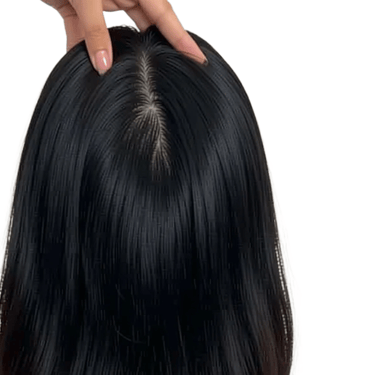
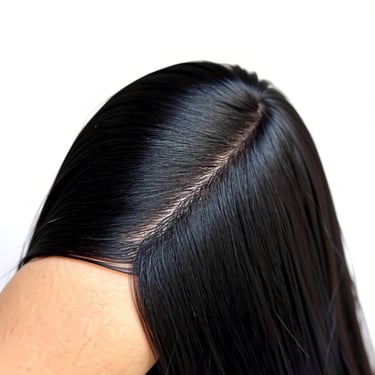
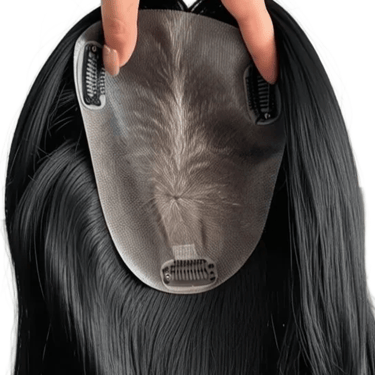
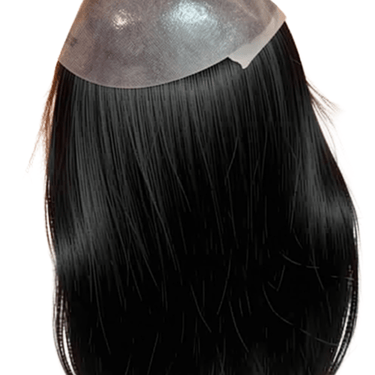
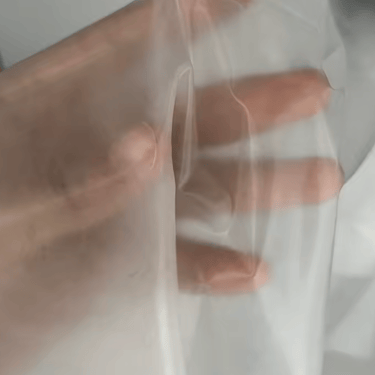
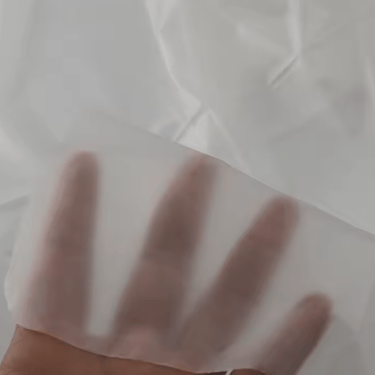
This type of top uses a polyurethane (PU) or cotton base that simulates the scalp. Hair strands are often hand-tied or machine-sewn into the base.
Advantages:
waterproof and easy to clean.
stable on the head, suitable for an active lifestyle.
PU skin top is a durable material that does not degrade quickly and is resistant to moisture.
unlike lace materials, PU skin does not absorb pigment or sweat, maintaining its appearance for a longer time.
even at very close range, it is difficult to tell that it is a wig or topper.
Disadvantages:
limited ventilation, which may reduce comfort during prolonged wear.
if the PU skin top is not thin enough or the color is incorrectly chosen, it can slightly reflect light.
PU does not “breathe” like lace or monofilament, which can make it warmer—less ideal for people who sweat more or live in hot climates.
Conclusion:
The choice of wig or topper base (top) is crucial for achieving the desired aesthetic, comfort, and durability of the product. While silk tops provide the most realistic appearance, lace and monofilament tops offer a balance between natural look and affordability, whereas classic and polyurethane (PU/skin) tops excel in durability and sturdiness. A thorough understanding of top types allows users and stylists to select the optimal wig or topper for a variety of needs—from medical rehabilitation to fashion and stage performances.
© 2026. Wigsy Lab. All rights reserved.
All text and images on this page are the property of Wigsy Lab. Any unauthorized copying, use, or distribution without prior written consent is strictly prohibited, and any infringement will be legally pursued in accordance with the law.