
Wig Longevity: Factors, Expectations, and Proper Care
Wigsy Lab
12/4/20253 min read
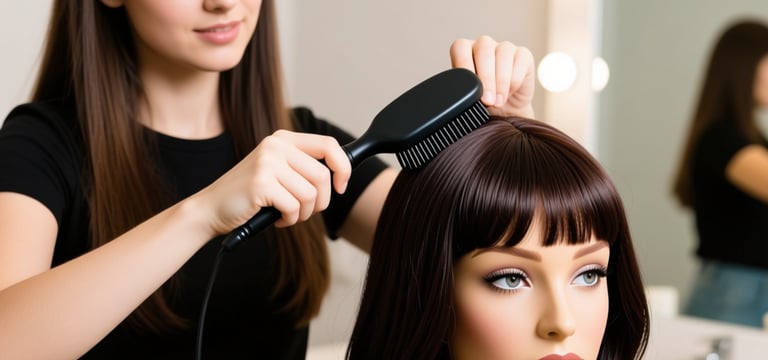

Wigs today are an important aesthetic and functional accessory for many people—whether for medical reasons, practicality, or simply the desire to change their appearance. Their durability—that is, the period during which they retain their original look, structure, and functionality—depends on a combination of factors. Understanding these factors allows users to make informed purchasing decisions and, with proper care, significantly extend the lifespan of their wig.
The Role of Material in Wig Longevity
The most important factor determining a wig’s longevity is the material from which it is made. Today, there are two main categories: synthetic wigs and wigs made from natural human hair.
Synthetic Wigs
Synthetic wigs are made from specially engineered fibers, most commonly heat-resistant or standard synthetic materials. Their average lifespan ranges from four to six months with daily wear. With occasional use, they can last up to a year. While they come pre-styled and maintain their shape with minimal effort, synthetic fibers gradually lose elasticity over time. After a certain period, they begin to tangle, become dry, and are less resistant to mechanical damage. For this reason, their durability is naturally shorter compared to wigs made from human hair.
Wigs Made from Human Hair
Wigs made from natural human hair are significantly more durable and flexible. Their average lifespan ranges from one to three years with regular use. When worn occasionally and properly maintained, they can last even longer.
The advantage of human hair lies in its resilience: it can be washed, blow-dried, curled, colored, and styled just like natural hair. However, this flexibility also requires more complex care—using appropriate hair products, regular hydration, and avoiding excessive heat.
The Impact of Wearing Frequency on Longevity
One of the key factors affecting wig lifespan is how often it is worn. A wig worn daily is exposed to constant friction, environmental factors, sweat, and other external influences, which naturally shortens its durability. In contrast, a wig used occasionally—such as a few times per month—can remain in excellent condition for a much longer period, regardless of the material it is made from.
The Importance of Proper Care
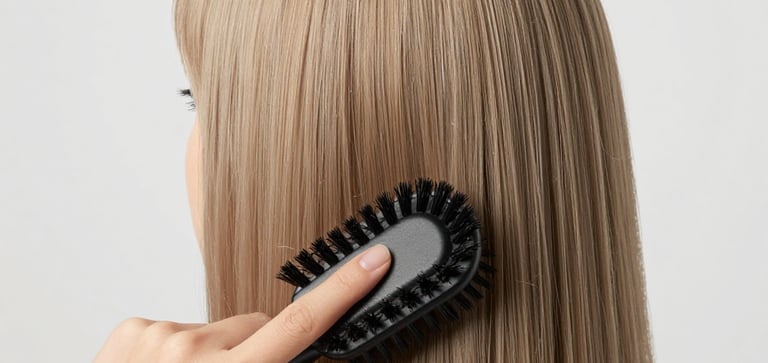
Proper maintenance is crucial for a wig’s longevity. Regular and correct cleaning ensures that fibers retain their softness, shine, and elasticity. It is recommended to use mild shampoos and conditioners specifically designed for wigs, as regular hair products can be too heavy or drying. Wigs should be air-dried naturally—avoiding aggressive wringing or vigorous towel rubbing. Storage also plays an important role: keeping a wig on a stand or in a box helps maintain its shape and protects it from dust and deformation.
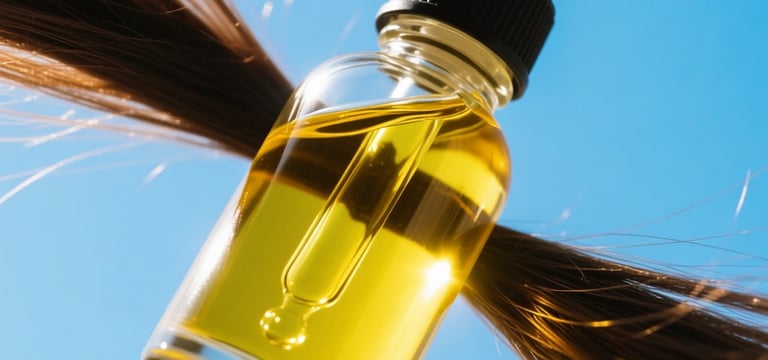
For human hair wigs, additional hydration with oils and serums, as well as occasional professional treatments, is recommended. For synthetic wigs, high heat should be avoided, and only products compatible with synthetic fibers should be used.

External Factors Affecting Longevity
External factors such as exposure to sunlight, humidity, high temperatures, or friction also influence a wig’s durability. UV radiation can fade color, while extreme heat can damage fibers, especially in synthetic wigs. Additionally, the way a wig is styled, brushed, or worn under hats or scarves can accelerate wear if handled carelessly.
Conclusion:
A wig’s lifespan is not predetermined by a fixed number but depends on a combination of material, usage, and quality of care. Synthetic wigs are ideal for those seeking an affordable option with minimal styling, though their longevity is limited. Wigs made from human hair represent an investment that, with proper care, can last for years. The key to the durability of any wig lies in regular and proper maintenance, careful handling, and awareness of external factors that may affect the condition of the hair fibers.
© 2026. Wigsy Lab. All rights reserved.
All text and images on this page are the property of Wigsy Lab. Any unauthorized copying, use, or distribution without prior written consent is strictly prohibited, and any infringement will be legally pursued in accordance with the law.